
K-Tip, Hand Tied or Tape In Extensions: How to Choose Among the Types of Hair Extensions
The three types of hair extensions we offer differ in how they attach: K-Tips bond single strands with small keratin tips, hand tied wefts sit on a slim row of beads, and tape ins are flat panels that sandwich your own hair. The right one depends on your density, how you wear your hair, and the upkeep you want. Every plan starts with a complimentary consultation.
Key takeaways
- K-Tips give the most freedom for ponytails and precise placement.
- Hand tied wefts add the most fullness at once, with no glue or heat.
- Tape ins lie flat and spread their hold, which often suits finer hair.
- All three start with a complimentary Extension Consultation.
What's the real difference between the three methods?
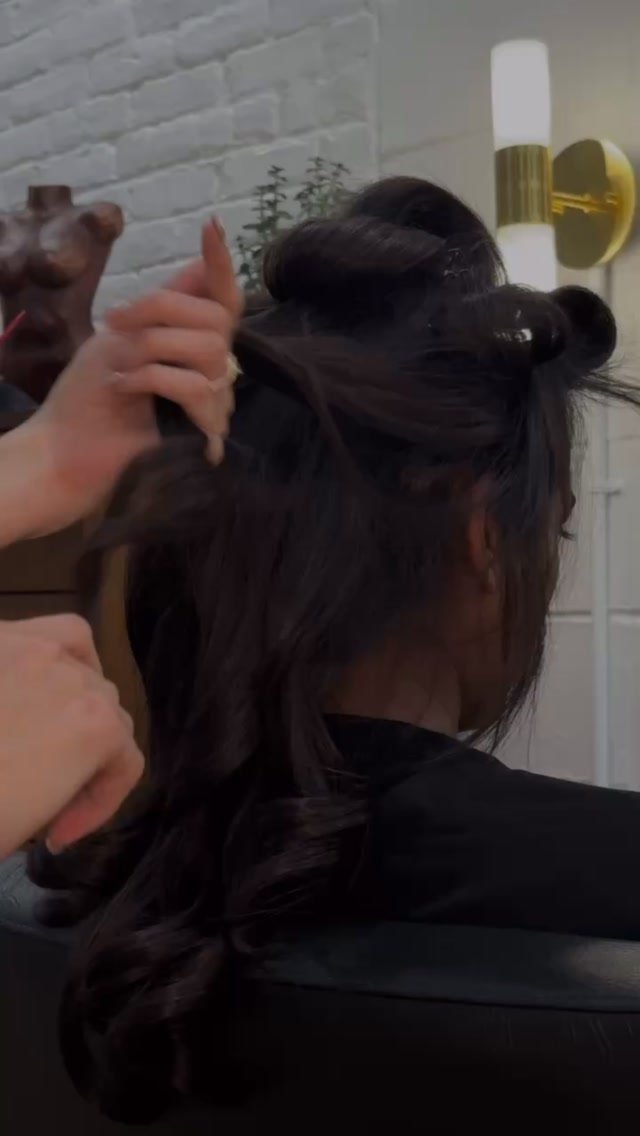
It comes down to how the hair is attached to yours. K-Tip extensions go in one small strand at a time, each bonded with a keratin tip. Hand tied invisible bead extensions use a soft weft attached along a neat row of tiny beads. Tape in extensions are thin panels with an adhesive strip, pressed on either side of a slim slice of your hair.
Each method changes three things you'll notice every day: how the hair moves, how it feels at your scalp, and how often you come back to see us.
The three types of hair extensions at a glance
- How it attaches. K-Tip: Single strands, small keratin bonds. Hand tied: Soft weft on a slim beaded row. Tape in: Flat adhesive panels.
- Feels like. K-Tip: Loose strands that move on their own. Hand tied: A flat, flexible row. Tape in: Smooth and flat at the root.
- Best known for. K-Tip: Ponytails and precise placement. Hand tied: Lots of fullness at once. Tape in: Sleek styles, finer hair.
- Upkeep. K-Tip: Longer wear, careful removal. Hand tied: Regular move ups. Tape in: Regular removal and reapply.
Which extensions let me wear a high ponytail?
K-Tips usually give you the most freedom to wear your hair up. There's no row or panel, just small bonds spread through your hair, so a high pony or a messy bun hides them well.
Hand tied wefts lie flat and often handle a ponytail or loose updo too. Your stylist can plan the row around the styles you wear most. Tape ins are the flattest when you wear your hair down and sleek, but high, tight styles can show a panel edge, so tell us how you wear your hair on a normal Tuesday.
What should I pick if my hair is fine or thinning?
Fine hair can wear extensions well, but the method and the amount of hair matter more. Tape ins spread their hold across a wide panel, which is why stylists often bring them up for finer hair. K-Tips can also work, because we control exactly how many strands go in and where.
Hand tied rows add a lot of density at once, so they tend to suit clients with enough natural hair to support the row. We'll look at your hair in person or on video and tell you plainly if a method isn't right for you. Quality over quantity is how we work, and that includes not adding more hair than yours can carry.
We'd rather talk you out of the wrong method than sell you more hair than yours can carry.
Dubé New York
How much upkeep does each method need?
All three need a return visit as your hair grows. Hand tied rows are lifted back toward the scalp at a move up, which many clients book every six to eight weeks. Tape ins are typically removed and reapplied on a similar rhythm. K-Tip bonds often wear longer between visits, though they take more time to put in.
At home, the rules are close for every method: brush gently from the ends up, keep oils off the attachment points, and dry your roots fully. Those are typical ranges, not promises. Your growth rate and routine set your real schedule.
Can my extensions match my highlights or balayage?
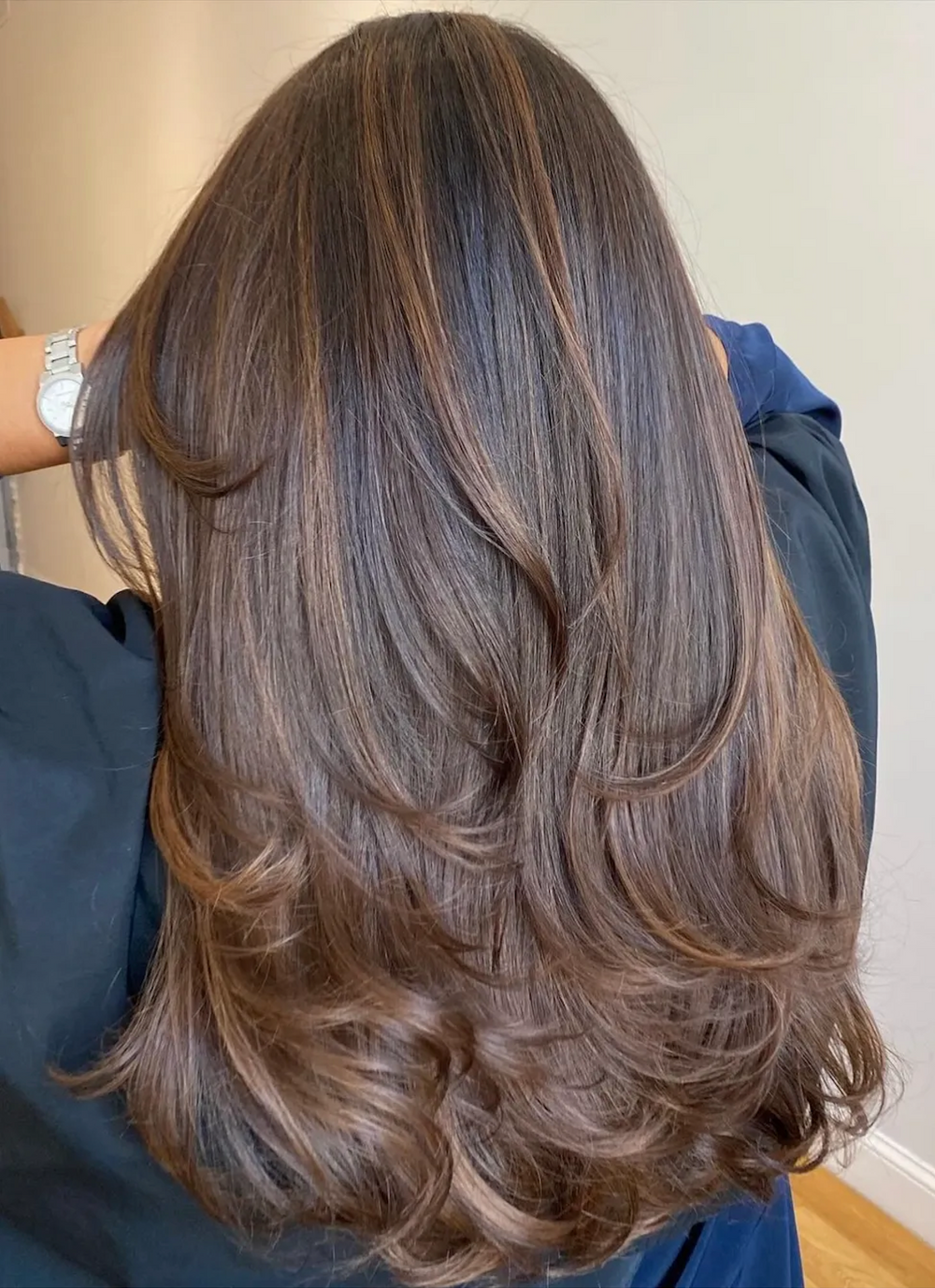
Yes, color matching is a big part of your plan. We specialize in custom blended extensions, which means your stylist can mix more than one shade so the new hair picks up the dimension already in yours.
If you're planning new color too, bring it up early. It's easier to color first and match the extensions to your fresh shade than the other way around. Our balayage and full highlight appointments can be planned alongside your install.
How do I know which method is right for me?
Book a complimentary Extension Consultation and let us look at your hair. You don't need to arrive with a method in mind. Tell us the length and fullness you want and how you wear your hair, and we'll talk you through the options that fit.
Our guide to what happens at a hair extension consultation explains the visit step by step. Pricing is personal, so it's given at that appointment. The Service Menu shows how consultations and move ups are listed.
Your extension method questions, answered
Which type of extension looks the most natural?
Any of the three can look natural when the color is blended and the extensions are cut into your own hair. The difference is more about feel and styling. K-Tips move strand by strand, hand tied rows lie flat, and tape ins sit smooth at the root. The cut after install is what makes the blend believable.
Do any of these methods use heat or glue?
Hand tied invisible bead extensions use no glue and no heat. They attach to small beads. Tape ins use an adhesive strip, and K-Tips use keratin bonds. If you want to avoid adhesive near your scalp, tell us at your consultation so we can steer you toward the method that suits that preference.
Can I switch methods later?
Often, yes. Some clients start with one method and move to another once they know how they like to wear their hair. Your stylist will check the health of your natural hair first, since switching means removing the old install and planning a fresh placement that suits the new method.
Will people be able to feel my extensions?
Someone running a hand through your hair may notice a bond, bead or panel edge up close. In everyday life, most people won't. Good placement keeps attachment points away from your part and hairline where hands and eyes land most, and we plan that placement around how you style.
Is one method better for thick hair?
Thick hair usually has more options. Hand tied rows are popular because they add a lot of fullness at once and blend into heavy hair. K-Tips work well too. The key is matching enough extension hair to your natural density so the ends don't look thin next to your own.
Not sure which method fits you?
Book a complimentary Extension Consultation online, in person or by video call, and we'll help you choose.