
Why Blonde Hair Turns Brassy and How Toning Fixes It
Blonde hair turns brassy because lightening leaves warm yellow and orange pigment behind, and the toner that hides it fades a little with every wash. Water, sun and heat speed that fade along. Toning fixes it by depositing the opposite tone, violet or blue, to cancel the warmth and bring your blonde back to the shade you chose.
Key takeaways
- Every lightened hair holds some natural warmth underneath.
- Toner hides that warmth, but it softens with washing, sun and heat.
- Purple shampoo helps between visits when you use it sparingly.
- The right salon fix depends on whether the warmth sits at your root or through your lengths.
Why does my blonde look orange or yellow a few weeks after my appointment?
Because the warmth was always there, and the toner covering it has started to fade. When lightener lifts color out of your hair, it moves through red, orange and then yellow. Darker hair holds more of that warm pigment, so it tends to show orange. Lighter hair tends to show yellow.
Toner is a deposit color. It sits in and around the hair and neutralizes what's underneath, but it isn't permanent. Each shampoo takes a little with it. So the brass you notice a few weeks later isn't a new problem. It's the hair showing what lives under the tone.
Related guide: our honest guide to platinum and double process color explains how lightening and toning work together.
How does toner cancel out brassiness?
Toner uses opposite colors to cancel each other out. On the color wheel, violet sits across from yellow and blue sits across from orange. Add the right amount of violet to yellow blonde and the yellow disappears, leaving a cleaner, cooler shade.
That's why toner is the second half of every double process all over blonde. The lightener creates the space and the toner decides what fills it. Your stylist chooses the mix based on how warm your hair lifted and the finish you want: icy, pearly or softer and creamier.
Which warm tone you see, and what cancels it
- Yellow blonde. What cancels it: Violet. Between visits: Purple shampoo, used sparingly. In the salon: Toner or gloss.
- Orange or copper warmth. What cancels it: Blue. Between visits: Blue shampoo. In the salon: Toner, sometimes more lift first.
- Flat, one note blonde. What cancels it: Rebuilt contrast. Between visits: Gentle color safe care. In the salon: Custom toning.
- Warm band at the root. What cancels it: Fresh lift at the regrowth. Between visits: Nothing at home will fix it. In the salon: Double process retouch.
What makes toner fade faster than it should?
Heat, harsh cleansing and minerals are the usual suspects. A few everyday habits pull tone out quickly:
- Hot water opens the hair and lets toner rinse away sooner.
- Strong or clarifying shampoos strip deposit color along with buildup.
- Sun and chlorine both warm up blonde over a summer.
- Hard water minerals can leave a dull, brassy film.
- Hot tools without protection can shift tone warmer.
You don't have to give up swimming or styling. You just need a routine that works against the fade instead of speeding it up.
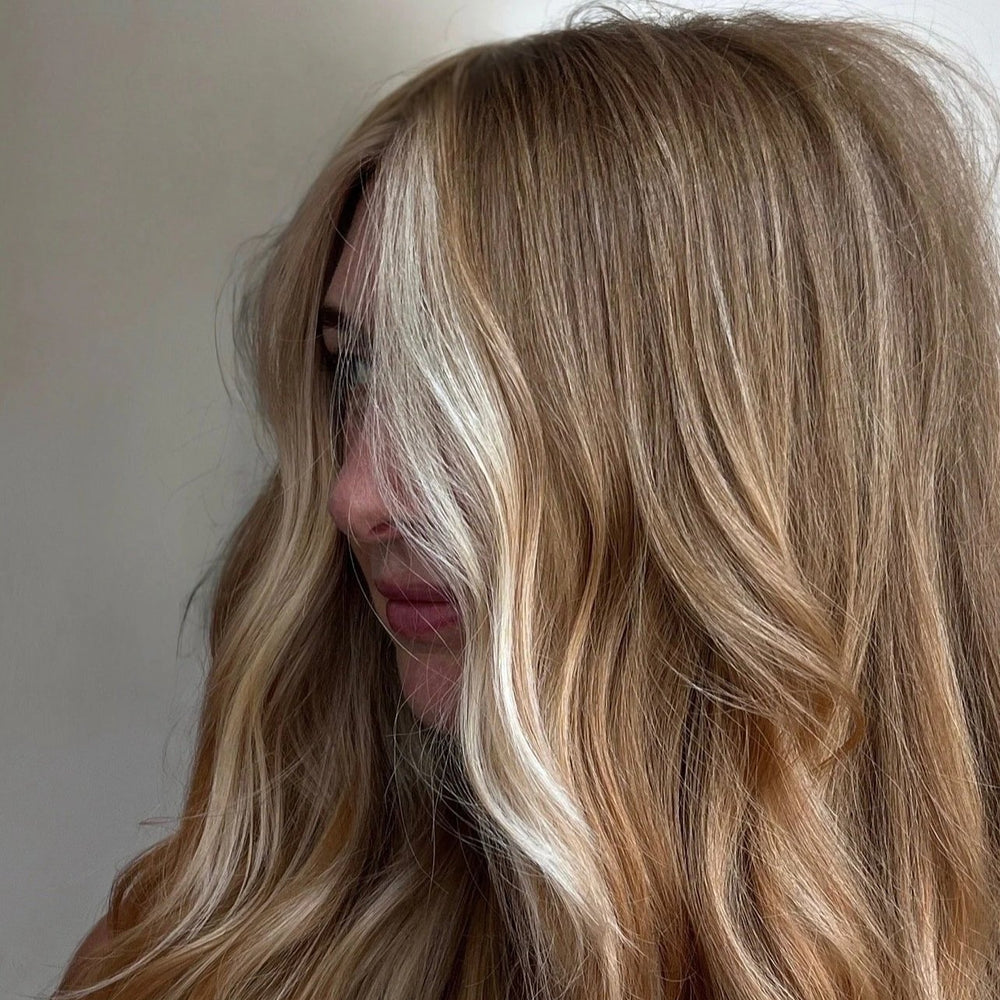
Warmth isn't a mistake. It's what lives under every blonde, and toner is how we decide what you see.
Dubé New York
Does purple shampoo fix brassy hair?
It helps, but it's a maintenance tool, not a fix. Purple shampoo leaves a light layer of violet that calms yellow between appointments. Blue shampoo does the same job for orange tones, which is more common on lightened brunettes.
More is not better. Used every wash, purple shampoo can leave pale blonde looking dull or even faintly lilac. Most blondes do well using it about once a week, then adjusting based on what they see. If your hair still looks brassy right after a purple wash, the warmth is deeper than a shampoo can reach, and it's time to see us.
A simple routine to keep blonde cool longer
- Wash cooler. Rinse with cool or lukewarm water to hold on to your toner longer.
- Choose gentle products. Use a shampoo and conditioner made for lightened or color treated hair.
- Tone once a week. Swap in purple or blue shampoo about once a week, then adjust to what you see.
- Protect from heat and sun. Use heat protection before hot tools and cover your hair on long sunny days.
- Rinse after swimming. Wet your hair with clean water before and after the pool to limit chlorine.
Which salon service fixes brassiness best?
It depends on where the warmth shows up. If your lengths have gone warm or dull but your color placement still looks right, a single shade gloss can reset the tone and add shine. Our guide to what a hair gloss does covers that option in more detail.
If your highlights have lost their contrast and everything looks one note, custom toning uses more than one shade to bring back tone and dimension together. If you're platinum and the warmth sits in a band at your root, you likely need a double process retouch, which lightens the new growth and then tones everything to match. Pricing for each is on our Service Menu.
Can brassiness mean my hair wasn't lightened enough?
Sometimes, yes. Toner can only cancel so much warmth. If hair is still at a deep orange stage, no amount of violet will turn it into cool platinum. It would just look muddy. Reaching an icy result means lifting the hair pale enough first, and for darker or previously colored hair that can take more than one session.
That's one reason we talk through your history before we start. And if your blonde doesn't look right after a visit with us, tell us within one week and we'll do a complimentary correction.
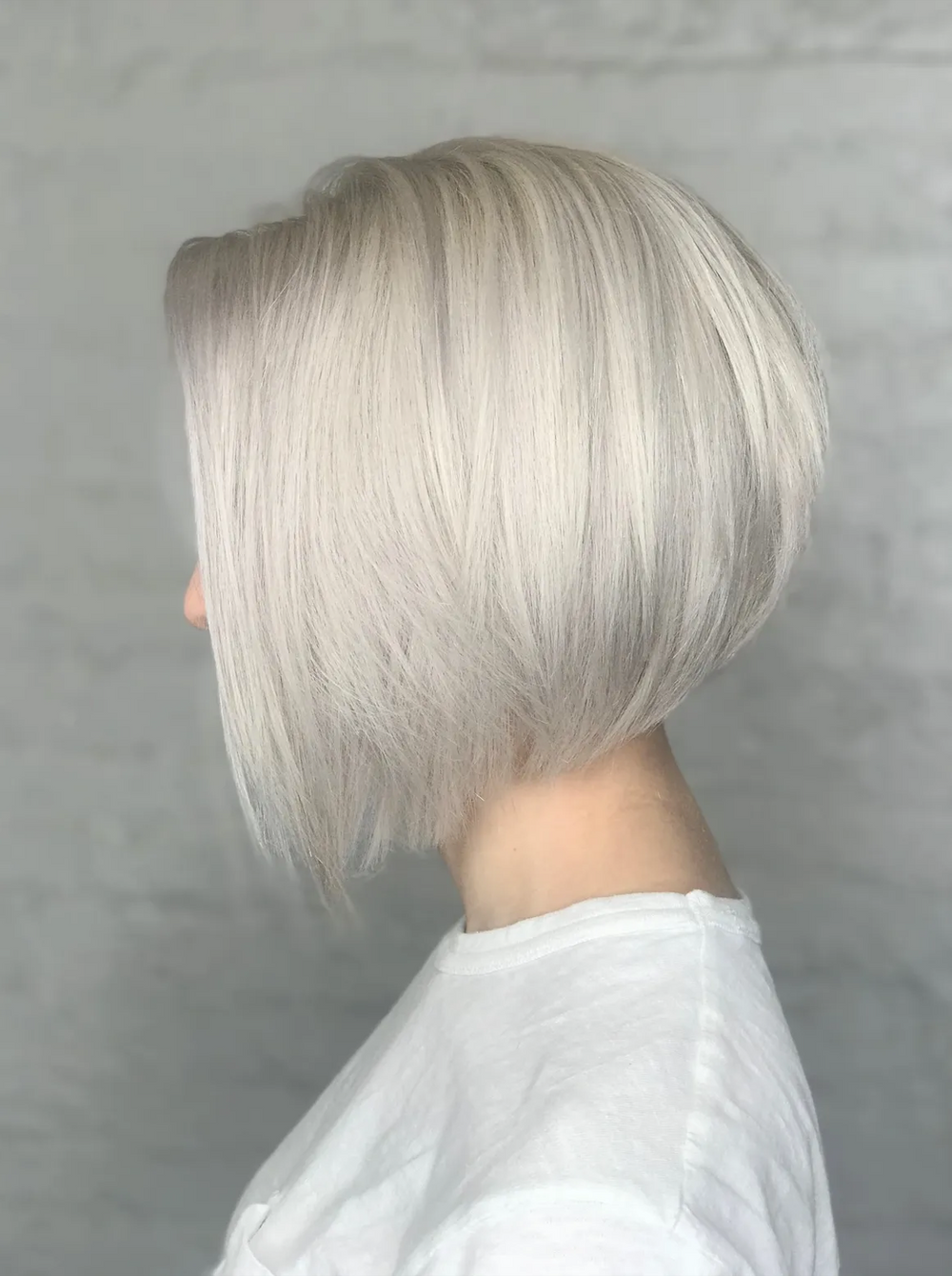
Your brassy blonde questions, answered
Does hard water make blonde hair brassy?
It can. Minerals in hard water build up on the hair over time and leave a dull, warm cast, especially on pale blonde. A shower filter can help. If you notice buildup, mention it at your next visit, since your stylist may adjust your toner or suggest products that work better with your water.
How soon after toning should I start using purple shampoo?
There's no rush. Fresh toner is already doing the work for the first stretch after your appointment. Most blondes start using purple shampoo once they notice a hint of warmth coming back, usually a few weeks in. Starting too early, or using it too often, can leave pale hair looking dull.
Can the sun turn blonde hair brassy?
Yes. Sunlight breaks down toner and can warm up lightened hair over a summer, even if you never swim. Wearing a hat, using a leave in product with UV protection, and booking a tone refresh after a sunny trip all help keep your blonde closer to the shade you chose.
Is brassy hair a sign that my hair is damaged?
Not on its own. Brassiness is usually about tone, not health. Hair that is dry or over processed can grab and lose toner unevenly, though, which makes warmth show faster. If your hair feels rough or snaps easily along with looking brassy, ask your stylist about a bond treatment at your next appointment.
Can I use a drugstore toner at home to fix brassiness?
We'd steer you away from it. Toning is about matching the exact warmth in your hair with the right amount of the opposite tone, and at home it's easy to end up uneven, too dark or with a lilac cast. A quick salon gloss gives your stylist control over the result.
Ready to get the brass out?
Book online for a gloss, custom toning or a retouch, or start with a complimentary consultation in person or by video call.